Trust guide
Is vheer ai safe for everyday creative work?
Is vheer ai safe depends on how you use it, what you share, and how carefully you review the result. This guide separates reasonable expectations from assumptions the product page may not prove.

Start with clarity
Three misconceptions about Vheer AI
Safety questions become easier when you separate the tool itself from the data, prompts, and decisions surrounding it.
Safety boundaries
What Vheer AI actually is
Vheer is an AI creative tool, not an independent fact-checker, rights lawyer, privacy service, or human editor. Treat every result as generated material that still needs judgment.
It cannot guarantee factual accuracy
Vheer may produce convincing images or video that contain invented details, distorted text, or misleading visual context.
What to do instead
Review important claims and use a human fact-check before publishing.
It cannot decide whether a prompt is appropriate
A user remains responsible for sensitive, harmful, deceptive, or restricted requests and for the way an output is used.
What to do instead
Keep prompts within your organization’s policies and avoid using generated media to impersonate people.
It cannot make your private data risk-free
Uploading a file or writing a prompt can expose information to the service and its processing environment; this page does not establish retention or training terms.
What to do instead
Remove confidential details and check the current provider privacy terms before uploading.
It cannot settle ownership questions
An AI-generated result may raise licensing, likeness, trademark, or dataset concerns depending on the project and jurisdiction.
What to do instead
Obtain permission where needed and request professional legal advice for high-stakes work.
Use a checkpoint
Boundary conditions for safe use
A cautious Vheer workflow is less about assuming the tool is safe or unsafe and more about checking each handoff.
-
1
Define the material
Decide whether the prompt, reference image, subject, and intended audience contain confidential, personal, or sensitive information.
-
2
Generate with restraint
Use the minimum information needed for the creative task, and avoid presenting an unverified Vheer result as documentary evidence.
-
3
Review before release
Inspect the output for factual errors, unwanted likenesses, hidden details, misleading edits, and rights or brand concerns.
Decision table
When not to use Vheer AI
The safest choice is sometimes to keep a task out of an AI workflow altogether. This comparison highlights situations where human-controlled production is the better fit.
| Vheer AI may fit | Use a human-controlled workflow | |
|---|---|---|
| Early concept exploration | Useful for rough visual directions and private, non-sensitive ideas. | Prefer a designer when the concept itself is confidential or strategically sensitive. |
| Public-facing factual material | Only after careful review and correction of every factual element. | Use verified source material and editorial review for news, safety, or public information. |
| Personal or confidential files | Avoid unless current terms and internal policy clearly permit the upload. | Keep restricted material in an approved environment with controlled access. |
| Recognizable people | Use caution, consent, and clear disclosure where appropriate. | Use commissioned photography or authorized likeness assets for identity-sensitive work. |
| Brand and trademark work | Suitable for exploratory moodboards with approved references. | Use cleared assets and brand-owner review for final campaigns. |
| High-stakes decisions | Do not rely on generated output as the sole basis for a decision. | Use qualified professionals, documented evidence, and an auditable process. |
Visual reminder
A polished result is not proof
Generated media can look finished even when its provenance, accuracy, or permissions remain unresolved.
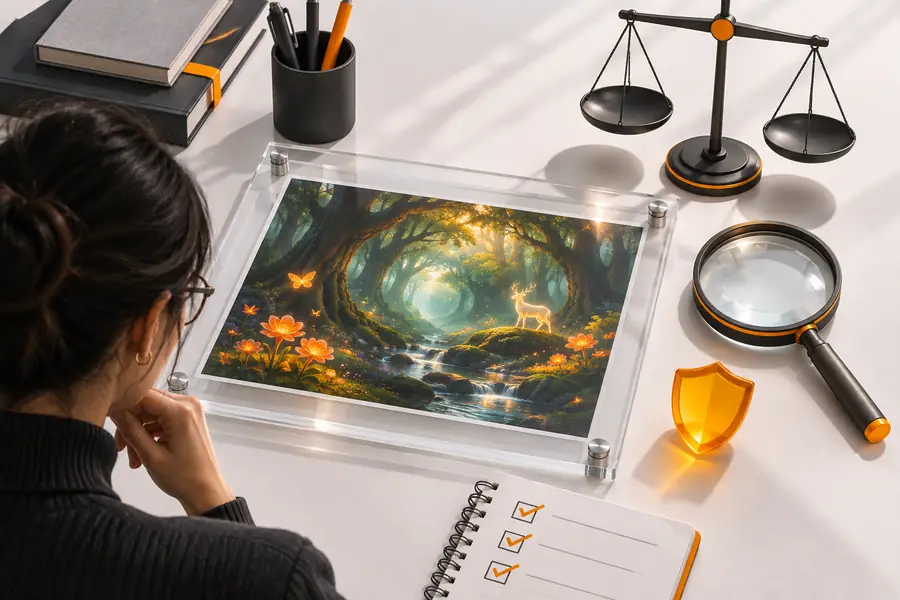
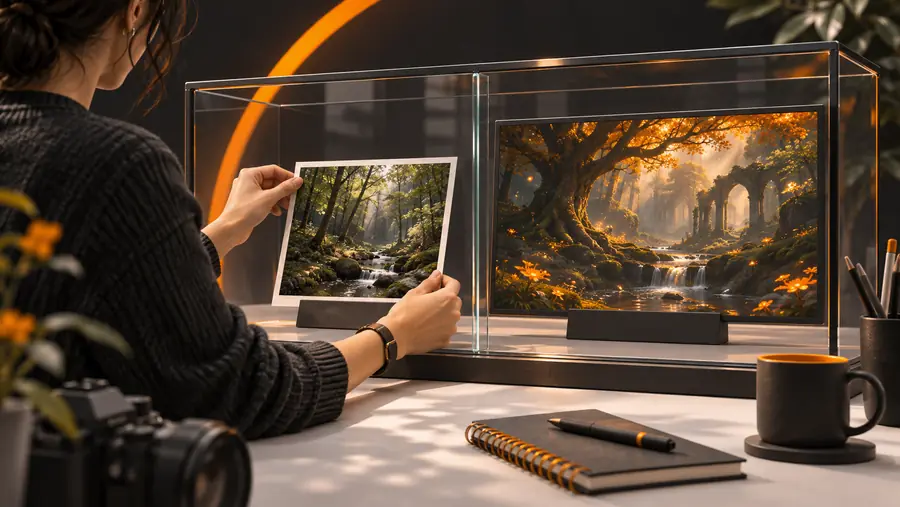
A visual finish does not establish safety, accuracy, or rights.
Review the sourceInspect the resultMake an informed choice
Vheer can be a reasonable part of a creative process when the material is appropriate, the prompt is restrained, and the output receives human review. Do not treat a polished result as evidence that privacy, accuracy, consent, or ownership questions have been solved.
Use Vheer with a review step
- Keep confidential information out unless approved
- Review outputs before sharing or publishing
- Check current terms for privacy and permitted use
Your questions
FAQ
These answers address the core question behind searches for whether Vheer is safe to use.
Vheer can be used more responsibly when you avoid sensitive uploads, follow the current provider terms, and review every output before sharing it. No general safety label can replace checking the specific prompt, file, audience, and intended use.
This guide does not establish a guarantee about prompt or image privacy, retention, or training use. Check the current privacy documentation and avoid uploading confidential or personally identifying material unless your policy allows it.
No generated image or video should be treated as factual evidence simply because it looks realistic. Verify important details independently and disclose generated or edited media when that context matters.
It may be suitable for some commercial creative work, but suitability depends on the current terms, the assets used, the people or brands depicted, and the project’s legal requirements. Review permissions and obtain professional advice for high-risk campaigns.
Start with a low-risk concept that contains no confidential information or recognizable private individuals. Review the Vheer result for misleading details, rights concerns, and unintended content before using it publicly.